

Angela Yeung
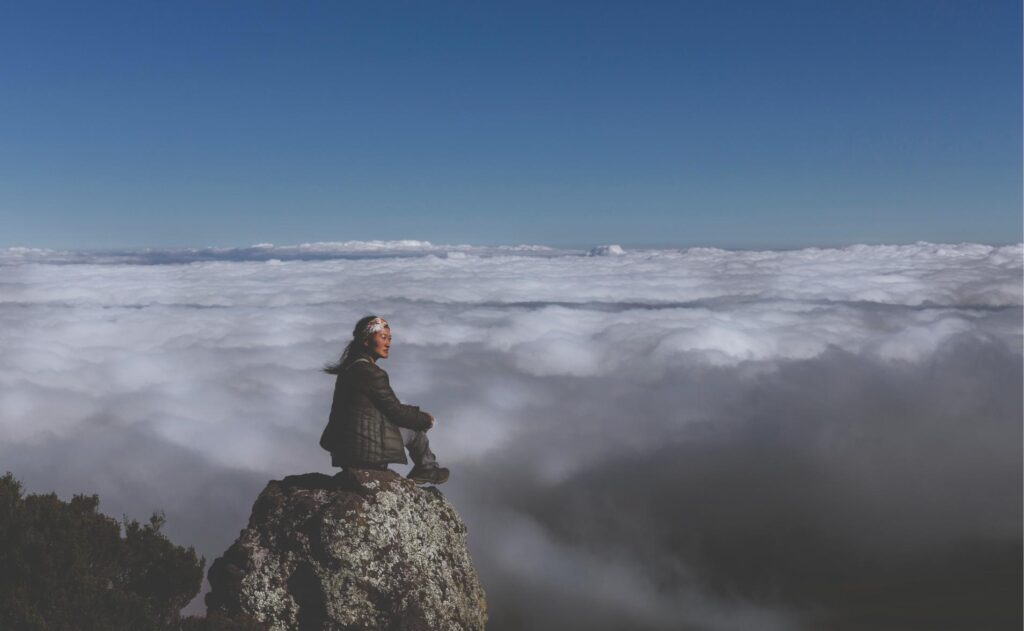
I’m Angela Yeung, a professional jeweller, entrepreneur and philanthropist. I never dreamt of climbing mountains in my life, but the mountain called me. 2017 was the first time I met my biological mother after 30 years of constantly looking for her. Because of my difficult childhood, I felt I could relate to some of the girl’s experiences and connect with them. I also believe you can only give when you truly have. In 2018 and 2019, I was invited to climb Kilimanjaro twice for caring4girls, girls cannot afford sanitary pads and miss school 50 days a year. I raised awareness and funds for the girl child, I believe we can all heal ourselves through connecting with nature and so I wanted to show the children the power of self-healing through education. There is so much nature can offer, climbing Mount Kilimanjaro is a thrilling adventure and the highest mountain in Africa. The scenery on Mount Kilimanjaro is breathtakingly diverse, shifting dramatically as you ascend through its various ecological zones. At the base, lush rainforests teem with vibrant flora and fauna, where towering trees and moss-draped vegetation create a dense, tropical canopy. As you climb higher, the landscape transitions into alpine meadows and heath, with striking, jagged volcanic formations. Above the tree line, the barren, moonlike terrain of the high-altitude desert unveils sweeping vistas, with rocky slopes and glaciers forming a stark contrast against the deep blue sky. The summit, Uhuru Peak, offers a surreal, panoramic view, with vast plains stretching far into the distance and the summit’s iconic glaciers shimmering in the harsh sunlight. Throughout the journey, Kilimanjaro’s scenery is a constantly changing tapestry of natural beauty, from tropical warmth to icy grandeur. Let me share some pointers with you about the climb so that one day, you will reach the highest point in Africa.
- Trekking Experience
Difficulty: The climb is not technical, meaning you don’t need mountaineering skills, but it’s still strenuous due to the high altitude and rugged terrain. Expect long days of walking, anywhere from 4 to 8 hours per day.
Duration: The climb typically takesbetween5 to 9 days, depending on the route you choose.
Altitude: The altitude can be tough on the body. Mount Kilimanjaro’s summit is 5,895 meters (19,341 feet)above sea level, so altitude sickness is a concern. Proper acclimatization is key to avoiding it.
2. Most Popular Route
There are several routes up Kilimanjaro, each offering a different experience:
Marangu Route (the “Coca-Cola” route) is the easiest and only route with huts for accommodation are the most popular route.
3. Weather Conditions
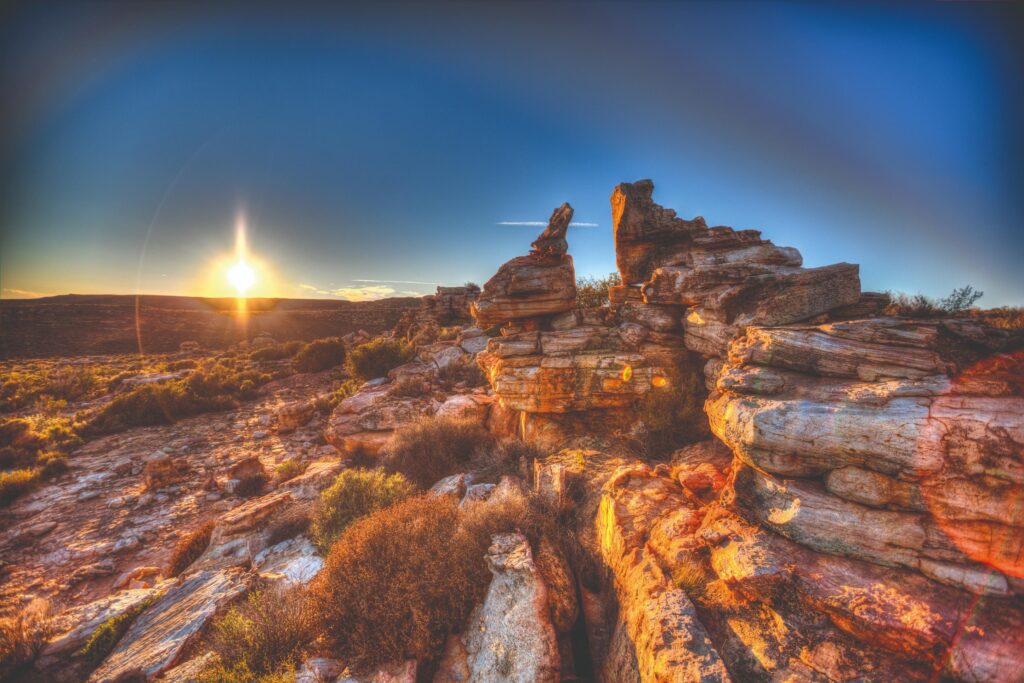
Temperature: The temperature varies dramatically depending on the altitude. At the base, it’s warm and tropical(20–30°C), but as you ascend, temperatures drop. At the summit, it can be freezing or below zero, especially at night.
Rain: The rainy season typically occurs from March to May, so if possible, avoid the 3 months to minimize wet conditions. The dry season is from June to October, and also from December to February.
Wind and Snow: The summit can be windy, and there may be snow or ice, especially in the early mornings or evenings.
4. Physical Challenge
Fitness: While no technical climbing is involved, you should be in good physical shape to handle the long days of hiking. Regular aerobic and strength training exercises will help.
Pace: Kilimanjaro is all about “pole, pole”(slowly, slowly). It’s not a race, and your pace should be slow to ensure proper acclimatization and avoid overexertion.Summit Day: This is the hardest part of the climb, as you’ll typically start at midnight or 1:00 AM to reach the summit by sunrise. This will involve hiking for6–8hours,often in the cold and at a slow, steady pace.
5. Acclimatization
Altitude Sickness: This is the biggest risk on Kilimanjaro. Symptoms include headaches, dizziness, nausea, and shortness of breath. It’s essential to follow the “climb high, sleep low” principle and allow your body time to adjust to the altitude.
Hydration & Nutrition: Drinking plenty of water and eating high-energy foods will help keep your body in peak condition and improve your chances of summiting.
6. Accommodation and Camping
On most routes, you will camp along the way, but on the Marangu Route, there are huts. Camping means sleeping in tents, and you’ll typically be provided with a camp cook and porters.
You’ll be sleeping at increasingly high altitudes, so it’s important to bring warm clothing, sleeping bags rated for cold temperatures, and a good thermos for hot drinks.
7. Guides, Porters, and Support Staff
Guides: A certified guide will lead your group, ensuring safety and helping with navigation, route decisions, and information about the mountain.
Porters: Kilimanjaro is a heavily supported climb. Porters carry the majority of the gear (such as tents, food, and personal items). You’ll likely only carry a small day pack with essentials like water, snacks, and a camera.
Cook: On most routes, a cook will prepare meals for you. Expect hearty, carb-heavy meals to fuel your energy levels.
8. Health and Safety
Altitude Sickness: As mentioned, this is the main concern. Some routes offer better opportunities for acclimatization, so it’s wise to choose one that allows you to ascend gradually.
Emergency Evacuation: While rare, altitude-related health issues can occur, and evacuation is possible via stretcher or helicopter if needed. Be sure to have adequate travel insurance that covers mountain rescue.
Vaccinations: Check that you’re up-to-date on routine vaccinations and consider vaccinations for diseases like yellow fever, which may be required depending on where you’re coming from.
9. Summit: Uhuru Peak
The Final Push: Summiting is a monumental achievement! The final ascent to Uhuru Peak typically takes place in the early hours of the morning, often under a starry sky, followed by a sunrise over the surrounding plains.
Celebration: The summit is the highest pointon the mountain, and reaching it is ahuge accomplishment. However, the descent is long and can be hard on your knees,so pace yourself and rest when needed.
10. Mental Preparation
The climb is as much a mental challenge as a physical one. Stay positive, patient, and focused, especially on summit day when the going gets tough. Encouragement from your team, along with the beautiful surroundings, can help you push through. Reaching the summit of Kilimanjaro is one of the most rewarding experiences. The sense of achievement, combined with the stunning views and the camaraderie of your team, will make the climb a memory you cherish forever. Expect a physically and mentally challenging yet immensely rewarding experience. Plan ahead, choose the right route and expedition company, take the time to acclimatize, and maintain a positive attitude. Whether you’re summiting for personal achievement, to see the stunning vistas, or for the adventure of a lifetime, climbing Kilimanjaro is an unforgettable journey!
Recommendation before the Kilimanjaro climb for altitude training:
Cathedral Peak is one of my favourite peaks in Drakensberg Mountain. The Cathedral Peak hike is one of the most iconic and challenging treks in South Africa’s Drakensberg Mountains, offering stunning views and a rewarding experience for seasoned hikers. Cathedral Peak, part of the central Drakensberg range, is a prominent, jagged peak that stands at 3,004 meters (9,855 feet) above sea level, and the hike to its summit is known for both its natural beauty and technical difficulty. The hike typically starts from the Didima Camp, located in the Cathedral Peak area, and follows a well-established trail that climbs steadily through lush grasslands, rocky terrain, and alpine vegetation. The route is challenging due to its steep ascent, scrambling sections, and the occasional need for basic rock climbing skills, especially near the summit. Hikers will need to navigate rocky outcrops and cliff faces, requiring a good sense of balance and the ability to handle exposed sections, although no technical climbing gear is necessary. One of the key highlights of the Cathedral Peak hike is the stunning panoramic views as you approach the summit. From the top, hikers are rewarded with a 360-degree vista that includes the jagged peaks of the Drakensberg range, sweeping valleys, and distant mountain ridges, as well as views into Lesotho to the south. The surrounding landscape is incredibly diverse, with grassy slopes, towering cliffs, and intricate rock formations. While the summit of Cathedral Peak itself is a major draw, hikers often stop to admire other landmarks along the way, such as the “Cathedral” rock formation, which gives the peak its name. The hike typically takes about 8 to 10 hours for experienced hikers, but it can be done as a day hike or over two days if one decides to camp in the area. The Cathedral Peak region is also home to an array of wildlife, including various bird species, mountain buck, and baboons, as well as an impressive diversity of flora, especially at higher altitudes. The hike is best undertaken during the warmer months (spring and summer) when the weather is more stable, though hikers should always be prepared for sudden changes in weather, including thunderstorms and snow in the colder months. Overall, the Cathedral Peak hike is a spectacular and rewarding challenge for experienced hikers looking to explore the beauty and ruggedness of the Drakensberg Mountains
